
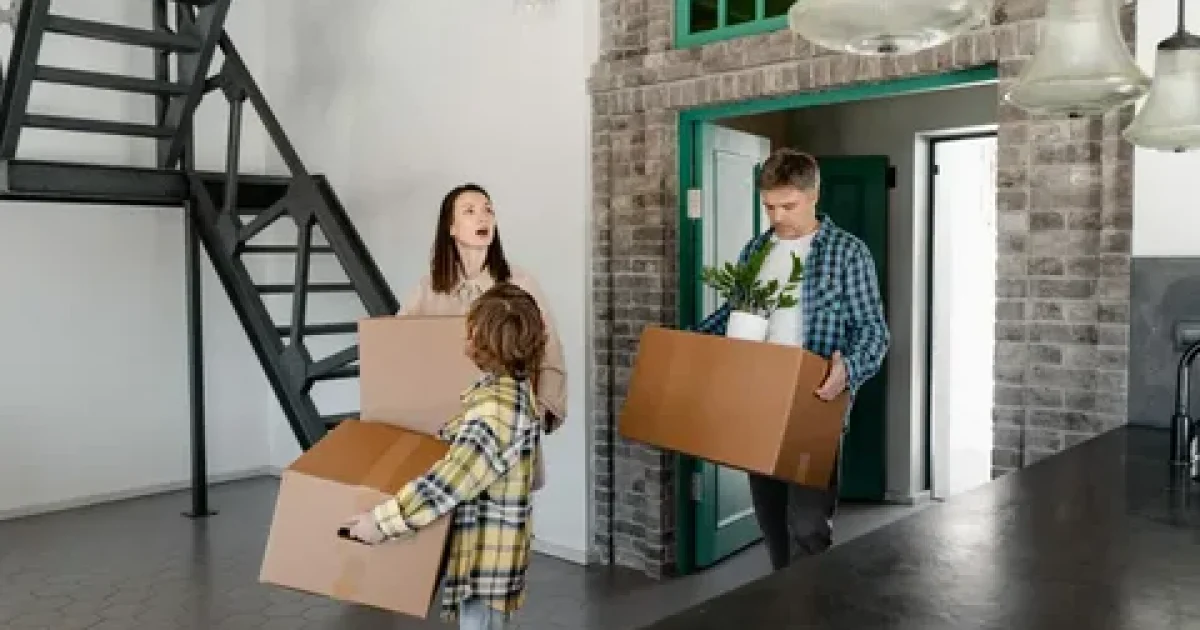
Residential Moving Home into a new home is an exciting milestone, whether you’re upgrading to a larger property, downsizing, relocating for work, or simply starting a new chapter. While the thought of settling into a new space is exciting, the moving process itself can quickly become overwhelming without proper planning. From packing belongings and organizing logistics to updating your address and protecting valuable items, every step requires careful attention.
A successful residential move isn’t about rushing from one house to another—it’s about planning ahead, staying organized, and choosing the right support when needed. Whether you’re moving across town or to another city, understanding the process can help reduce stress, save time, and avoid unnecessary expenses.
This comprehensive guide covers everything you need to know about residential moving home, including planning tips, packing strategies, choosing professional movers, moving day preparation, and settling into your new home with confidence.
What Is Residential Moving Home?
Residential moving refers to the process of relocating household belongings from one home to another. Unlike commercial relocations, residential moves focus on transporting personal possessions, furniture, appliances, electronics, and other household items safely and efficiently.
Residential moving services can range from basic transportation to full-service solutions that include packing, loading, storage, transportation, unpacking, and furniture assembly. The level of service depends on your budget, timeline, and specific moving requirements.
Whether you are moving from an apartment, townhouse, family home, or retirement property, proper planning plays a significant role in ensuring a successful relocation.
Why Careful Planning Makes Residential Moving Home
Many people underestimate how much preparation is involved in moving house. Leaving everything until the last minute often results in forgotten items, damaged belongings, unnecessary stress, and unexpected costs.
Creating a structured moving plan helps you:
Stay organized throughout the process
Reduce moving-day stress
Protect valuable belongings
Avoid last-minute expenses
Complete tasks on time
Make settling into your new home much easier
Starting your preparations several weeks before moving day gives you enough time to handle each task without feeling overwhelmed.
Create a moving checklist before you start.
One of the most effective ways to stay organised is by creating a detailed residential moving home checklist. Breaking large tasks into smaller, manageable steps helps you monitor progress and reduces the risk of forgetting important details.
Your checklist should include:
Confirming your moving date
Booking a professional moving company
Gathering packing supplies
Organizing utility transfers
Updating your mailing address
Packing room by room
Arranging childcare or pet care for moving day
Preparing an essentials box
Cleaning your current home before leaving
Following a checklist provides a clear timeline and keeps the entire moving process under control.
Declutter Before Packing
Moving presents the perfect opportunity to evaluate everything you own. Instead of packing unnecessary items, sort through each room and decide what you truly want to keep.
Separate your belongings into categories such as:
Items to Keep
Pack items you regularly use or genuinely need in your new home.
Items to Donate
Furniture, clothing, kitchenware, and household goods in good condition can often benefit local charities.
Items to Sell
Selling unwanted furniture or electronics before moving helps reduce transportation costs while earning extra money.
Items to Recycle or Dispose Of
Broken appliances, damaged furniture, expired products, and unusable items should be disposed of responsibly.
Reducing the number of belongings you move saves both time and money.
Gather the Right Packing Supplies
Using quality packing materials helps protect your possessions during transportation.
Essential packing supplies include:
Strong moving boxes
Packing tape
Bubble wrap
Packing paper
Furniture blankets
Stretch wrap
Permanent markers
Labels
Zip-lock bags for hardware
Mattress covers
Avoid overfilling boxes, especially with heavy items like books. Smaller boxes are easier to lift and reduce the risk of damage.
Pack One Room at a Time
Packing the entire house randomly often leads to confusion when unpacking later.
Instead, complete one room before moving to the next.
For example:
Bedrooms
Living room
Kitchen
Bathrooms
Laundry
Garage
Outdoor storage
Clearly label every box with:
Room destination
General contents
Fragile items
Priority level
Proper labelling makes unpacking significantly easier.
Protect Fragile and Valuable Items
Some household items require extra attention during packing.
Fragile belongings include the following:
Glassware
Mirrors
Artwork
Electronics
Television screens
Decorative items
Antiques
Wrap each item individually using protective materials and fill empty spaces inside boxes to prevent movement during transport.
Important documents, passports, jewellery, and sentimental valuables should always travel with you rather than inside the moving truck.
Decide Between DIY Moving and Professional Movers
Many homeowners wonder whether they should move themselves or hire professionals.
DIY Moving
A self-managed move may work well for smaller households or short-distance relocations.
Advantages include:
Lower upfront costs
Greater scheduling flexibility
Full control over packing
However, DIY moving also requires:
Vehicle rental
Heavy lifting
Additional helpers
More personal time
Hiring Professional Movers
Professional moving companies provide experience, equipment, and trained staff who handle belongings efficiently.
Benefits include:
Faster relocation
Safe furniture handling
Reduced physical strain
Insurance options
Professional packing services
Less stress
For larger homes or long-distance moves, professional movers often provide better overall value.
Questions to Ask Before Hiring a Residential Moving Home
Not every moving company offers the same level of service.
Before booking, ask questions such as:
Are you licensed and insured?
What services are included?
Do you provide packing materials?
Are there additional fees?
What insurance options are available?
How are fragile items protected?
Can you provide customer references?
Comparing several quotes helps you choose a reputable moving company that meets your budget and expectations.
Prepare Your Home Before Moving Day
As moving day approaches, complete a final walkthrough of your current property.
Tasks include:
Disconnect appliances
Defrost the refrigerator
Empty rubbish bins
Remove wall decorations
Check cupboards and storage areas
Secure loose furniture parts
Charge electronic devices
Confirm arrangements with your movers
Preparation helps avoid unnecessary delays on moving day.
Pack an Essentials Box Residential Moving Home
One mistake many people make is packing everything into the moving truck.
Instead, prepare an essentials box containing items you’ll need immediately after arriving.
Include:
Toiletries
Medications
Chargers
Important documents
Basic kitchen supplies
Snacks
Bottled water
Change of clothes
Children’s essentials
Pet supplies
Having these items easily accessible makes your first night much more comfortable.
What to Expect on Moving Day
Moving day can feel busy, but staying organised helps everything run smoothly.
Before the movers arrive:
Double-check every room
Lock windows
Turn off utilities if necessary
Keep valuables with you
Ensure walkways remain clear
Confirm the delivery address
Once the truck is loaded, complete a final inspection before leaving your old property.
Unpacking in Your New Home
Rather than unpacking everything at once, focus on essential rooms first.
Start with:
Bedrooms
Bathrooms
Kitchen
Living room
Gradually organise remaining rooms over the following days.
Taking your time helps you arrange furniture thoughtfully instead of rushing decisions.
Update Your Address
After moving, notify relevant organisations about your new address.
Remember to update:
- Banks
- Insurance providers
- Employer
- Schools
- Healthcare providers
- Government agencies
- Subscription services
- Online shopping accounts
Updating your address promptly helps avoid missed mail and service interruptions.
Common Residential Moving Home Mistakes to Avoid
Even well-planned moves can encounter problems if common mistakes aren’t avoided.
These include:
Leaving Packing Until the Last Minute
Rushed packing often leads to damaged belongings and forgotten items.
Underestimating Moving Costs
Budget for packing supplies, transportation, insurance, fuel, cleaning, and storage if required.
Failing to Label Boxes
Unlabelled boxes create unnecessary confusion during unpacking.
Forgetting Utility Transfers
Arrange electricity, gas, water, internet, and other essential services before moving day.
Ignoring Insurance
Accidents can happen during transportation. Insurance provides valuable peace of mind.
Tips for Making Your Move Less Stressful
Although moving can be challenging, a few simple habits can make the experience much smoother.
Stay flexible if plans change, communicate clearly with everyone involved, take regular breaks during packing, and avoid trying to complete everything in one day. Starting early gives you time to solve unexpected problems without added pressure.
If children or pets are involved, keeping their routines as consistent as possible can also help make the transition easier for the whole family.
Conclusion
Residential moving home is much more than transporting furniture from one address to another. It requires careful planning, organised packing, reliable transportation, and thoughtful preparation to ensure everything arrives safely. By starting early, decluttering your home, using quality packing materials, and choosing experienced movers when necessary, you can make the entire process more efficient and far less stressful.
Every move is unique, but the key to success remains the same: stay organized, plan ahead, and tackle each step one at a time. With the right approach, moving into your new home becomes an exciting fresh start rather than an overwhelming challenge.
Frequently Asked Questions
How far in advance should I start planning a residential moving home?
It’s recommended to begin planning at least six to eight weeks before your moving date. This provides enough time to organise, pack, and book professional movers if needed.
Is hiring professional movers worth it?
For larger homes, heavy furniture, or long-distance relocations, professional movers can save significant time, reduce stress, and minimise the risk of damage.
How can I reduce residential moving home costs?
Decluttering before packing, comparing moving quotes, moving during off-peak periods, and packing your own belongings can all help lower costs.
What should I pack last?
Everyday essentials such as toiletries, medications, chargers, important documents, and a few changes of clothes should be packed last and kept with you during the move.
How long does unpacking usually take?
Residential Moving Home Most households unpack essential items within the first few days, while fully organising a new home may take several weeks depending on the size of the move