
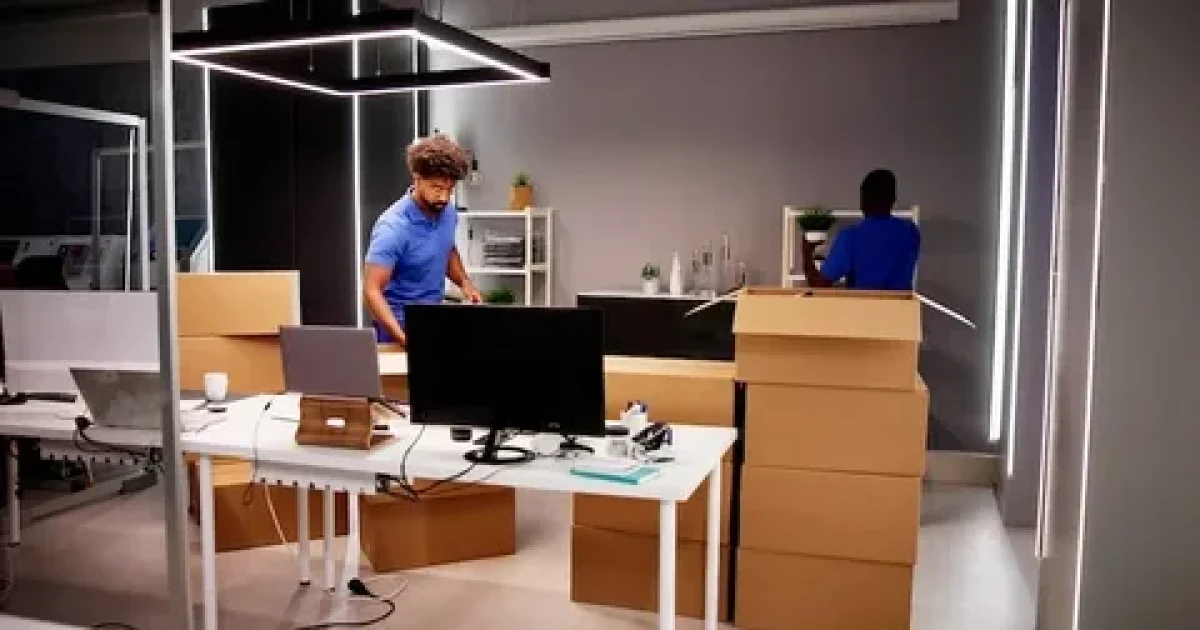
we\Planning corporate office moves can be a complex process. From relocating employees and office furniture to transporting technology, documents, and business equipment, every part of an office relocation needs careful planning.
A professional moving company can make the transition easier by handling the physical moving process while your management team focuses on keeping the business running.
Bettermoves provides professional moving solutions designed to help businesses manage corporate office moves, commercial relocations, and workplace transitions efficiently.
What Are Corporate Office Moves?
Corporate office moves involve relocating a business, company department, headquarters, or professional workspace from one office location to another.
Unlike a residential move, a corporate relocation often involves:
- Office desks and workstations
- Computers and electronic equipment
- Conference room furniture
- Filing cabinets and business documents
- IT and telecommunications equipment
- Office supplies and inventory
- Employee workstations
- Specialized business equipment
Because business operations need to continue during the transition, an organized corporate office moves relocation requires careful scheduling and coordination.
Why Hire Professional Corporate Office Movers?
Moving a corporate office without professional assistance can take employees away from their regular responsibilities and increase the risk of delays or damaged equipment.
Professional corporate office movers have the experience, workforce, and equipment needed to manage commercial relocations more efficiently.
Minimize Business Downtime
One of the biggest priorities during an office relocation is reducing downtime.
A professional moving team can create a structured moving schedule based on your company’s operational requirements. With proper planning, your business can transition to its new office while minimizing interruptions to employees and customers.
Protect Valuable Office Equipment
Corporate offices often contain expensive computers, monitors, printers, furniture, electronics, and other equipment.
Professional office movers use appropriate packing materials and moving equipment to help protect these assets during transportation.
Save Employee Time
Employees should be focused on serving customers, completing projects, and managing business operations rather than carrying desks and packing office equipment.
Hiring professional commercial movers allows your employees to continue their normal responsibilities while experienced movers manage the physical relocation.
Improve Office Moving Organization
Large corporate moves involve multiple departments, workstations, and pieces of equipment.
Professional movers can help organize the relocation process by following an inventory, labeling system, moving schedule, and new-office floor plan.
Corporate Office Moves Relocation Services
Every company has different moving requirements. A small corporate office may need basic transportation, while a large headquarters relocation may require complete packing, furniture disassembly, equipment transportation, and setup.
Common corporate office moving services include:
Office Furniture Moving
Professional movers can transport desks, chairs, conference tables, filing cabinets, storage units, reception furniture, and other office furnishings.
Commercial Packing and Unpacking
Proper packing helps protect office equipment and makes it easier to identify items at the new location.
Boxes and equipment can be labeled according to department, employee, room, or workstation to make the unpacking process more organized.
IT Equipment Relocation
Computers, monitors, printers, networking equipment, and other technology require careful handling during an office move.
Businesses should coordinate IT disconnection, transportation, and reconnection as part of the overall corporate relocation plan.
Office Furniture Disassembly and Reassembly
Large desks, workstations, shelving systems, and other furniture may need to be disassembled before transportation and reassembled at the new office.
Business Document Moving
Corporate offices often have important records, files, and paperwork that need to be transported securely and systematically.
An organized inventory and labeling system can help businesses keep track of documents throughout the move.
Commercial Storage Solutions
Some companies need temporary storage during an office renovation, expansion, downsizing, or relocation.
Commercial storage can provide additional flexibility when the new office is not ready to receive everything immediately.
How to Plan a Corporate Office Move
Successful corporate office relocation starts with preparation. The earlier your business begins planning, the easier it can be to identify potential challenges.
Set Your Office Moving Timeline
Start by establishing a clear moving schedule. Consider the lease end date, new office availability, employee schedules, IT requirements, and business deadlines.
A detailed timeline helps every department understand when its responsibilities need to be completed.
Create an Office Inventory
Make a complete inventory of everything that will be moved.
Categorize assets such as:
- Furniture
- Computers
- Electronics
- Documents
- Office supplies
- Equipment
- Storage items
The inventory can also help identify items that should be replaced, recycled, donated, or discarded rather than transported.
Plan the New Office Layout
Before moving day, determine where desks, workstations, conference tables, storage units, and other furniture will be placed.
Providing your moving team with a floor plan can make the setup process more efficient.
Coordinate With Your IT Team
Technology is an essential part of modern business operations.
Create a separate plan for computers, servers, networking equipment, phones, printers, and other technology. Coordinate disconnection and reconnection schedules to reduce unnecessary downtime.
Communicate With Employees
Employees should receive clear information about the office move.
Share important details such as:
- New office address
- Moving dates
- Parking information
- New workspace arrangements
- Building access
- Remote work arrangements
- Expected downtime
Good communication helps employees prepare for the transition.
Corporate Office Moves vs. Residential Moving
A corporate relocation is very different from a household move.
Residential movers generally focus on personal belongings, household furniture, and appliances. Corporate office moves involve business-critical equipment, workplace furniture, documents, technology, and operational deadlines.
A business cannot always afford to pause operations for an extended period. This makes professional planning especially important for commercial relocations.
Choosing the Right Corporate Office Movers
Selecting the right moving company can have a major impact on your relocation experience.
Before hiring corporate office movers, consider the following factors.
Commercial Moving Experience
Look for a company that understands the specific requirements of business and office relocations.
Range of Moving Services
A full-service commercial mover can make the process easier by offering packing, transportation, furniture handling, storage, and other relocation services.
Professional Equipment
Moving corporate furniture and equipment often requires specialized tools, protective materials, dollies, ramps, and suitable transportation.
Flexible Scheduling
Businesses may need to move during evenings, weekends, or other periods of lower activity. Flexible scheduling can help minimize operational disruption.
Transparent Moving Estimates
Ask for a detailed estimate based on the size and requirements of your corporate relocation. Make sure you understand which services are included.
Common Corporate Office Moving Mistakes
Even well-established companies can encounter problems during an office move if planning is rushed.
Starting Too Late for Corporate Office Moves
Large corporate relocations involve multiple teams and deadlines. Starting the planning process early provides more time to address unexpected issues.
Forgetting to Label Equipment
Poor labeling can cause confusion at the new office. Use a clear labeling system based on departments, rooms, or workstations.
Not Planning for IT
Technology should be part of the relocation strategy from the beginning rather than treated as a last-minute task.
Moving Unnecessary Items
Relocation is a good opportunity to review your office inventory. Avoid spending money transporting furniture or equipment that the company no longer needs.
Focusing Only on Price
The lowest moving quote does not always provide the best overall value. Consider experience, reliability, services, equipment, and customer support when comparing moving companies.
Benefits of Professional Corporate Relocation Services
Hiring professional movers can provide several benefits for businesses:
- Reduced business downtime
- Better relocation planning
- Safer handling of office equipment
- Less disruption for employees
- Efficient packing and transportation
- Professional furniture handling
- Better inventory control
- Flexible moving schedules
- Easier office setup
- Reduced pressure on management
The right corporate relocation services can turn a complicated office move into a more organized and manageable process.
When Should You Hire Corporate Office Movers?
It is best to contact professional office movers as early as possible, especially when relocating a large company or multi-department corporate office.
Early planning allows the moving company to assess the scope of the project, determine the required workforce and equipment, and create a practical relocation schedule.
For smaller offices, the planning period may be shorter, but early preparation is still recommended.
How Much Does a Corporate Office Moves Cost?
The cost of a corporate office move depends on several factors.
These can include:
- Office size
- Number of employees
- Quantity of furniture
- Amount of equipment
- Moving distance
- Packing requirements
- Building access
- Disassembly and reassembly
- Storage requirements
- Special handling needs
For an accurate estimate, businesses should provide the moving company with as much information as possible about their office and relocation requirements.
How Bettermoves Helps With Corporate Office Moves
A corporate relocation requires coordination, communication, and attention to detail. Bettermoves helps businesses approach their office moves with a structured moving strategy.
Whether your company is moving to a larger headquarters, opening a new office, consolidating locations, or relocating an entire department, professional commercial moving services can make the transition easier.
From office furniture and equipment to packing, transportation, and relocation planning, choosing an experienced moving team can help your business stay organized throughout the process.
Corporate Office Moves Relocation Checklist
Before your moving day, make sure you have considered the following:
- Confirm the new office location
- Establish your moving budget
- Select a corporate moving company
- Set the relocation date
- Create a complete office inventory
- Decide what will be moved or replaced
- Plan the new office layout
- Arrange office packing
- Label boxes and equipment
- Coordinate IT equipment relocation
- Notify employees about the move
- Coordinate with building management
- Confirm elevator and loading access
- Arrange commercial storage if required
- Confirm the moving schedule
- Inspect the new office before moving
- Plan the final office setup
Make Your Corporate Office Moves Easier With Bettermoves
A successful corporate relocation is about more than transporting furniture from one building to another. It requires careful planning, efficient logistics, communication, and attention to business continuity.
By working with professional corporate office moves, businesses can reduce the pressure associated with relocation and give employees more time to focus on their regular responsibilities.
If your company is preparing for a new office, headquarters relocation, expansion, consolidation, or commercial move, Bettermoves can help make the transition more organized and efficient.
Frequently Asked Questions
How long does a corporate office move take?
The duration depends on the size of the office, number of items, distance between locations, packing requirements, and complexity of the relocation. Larger corporate moves may require multiple stages.
What do corporate office movers handle?
Depending on the selected services, professional movers can handle office furniture, workstations, computers, equipment, documents, packing, transportation, disassembly, reassembly, and storage.
How can I reduce downtime during a corporate office movers relocation?
Start planning early, create a detailed inventory, coordinate IT services, communicate with employees, and schedule the move during periods that have the least impact on business operations.
Should a company move during business hours?
Not necessarily. Some businesses choose evenings or weekends to minimize disruption. The ideal schedule depends on the company’s operational requirements and building access.
Why choose professional corporate office movers?
Professional movers provide the workforce, equipment, transportation, and experience needed to handle commercial relocations efficiently, helping businesses reduce stress and operational disruption.